Category Archives: Lifestyle

The Art of Sending Handwritten Greeting Cards and Notes: Why It’s Still Relevant Today

In the age of digital communication, the act of sending handwritten notes and custom greeting cards has become increasingly rare. However, there are many reasons to embrace this lost art, including its personal touch, tangible reminder, and creative opportunity.

The Personal Touch of Handwritten Notes and Cards

Sending a handwritten note or custom greeting card is a personal gesture that can convey a message in a unique way. Unlike a digital message, a handwritten message shows that you have taken the time and effort to craft a thoughtful and personalized message. Whether it’s a thank-you note, a birthday card, or a sympathy card, a handwritten message adds a level of sincerity and care that can’t be replicated by a digital message.

The Tangible Reminder

Handwritten notes and cards can be kept and revisited over time, unlike digital messages that can easily be deleted or overlooked. This makes them a powerful tool for building and maintaining relationships, both personally and professionally. A tangible reminder of a heartfelt message can make someone feel appreciated and valued, which is why handwritten notes and cards can be so impactful.

The Creative Opportunity

Custom greeting cards and notes offer a creative opportunity to express yourself and convey your message in a unique way. You can choose the design, color, and style that best reflects your personality and the message you want to convey. Additionally, you can add personal touches such as stickers, drawings, or even a spritz of your favorite perfume to make the card even more special.

Tips for Sending Handwritten Notes and Cards

When sending a handwritten note or custom greeting card, it’s important to choose high-quality paper and stationary. This will ensure that your message looks and feels special. Take your time when writing your message, using a pen that feels comfortable in your hand and carefully crafting your words. Remember, a handwritten message is a reflection of you, so put your best foot forward.

The Power of Handwritten Notes and Cards in Business Communication

Handwritten notes and custom greeting cards can be a powerful tool for building and strengthening relationships in a business setting. In a world where so much communication is digital, a personalized note or card can make a big impact. For example, sending a holiday card to clients or customers, creating custom thank-you notes to include with orders, or personalized cards for employees to celebrate their work anniversaries can be a great way to show appreciation and build strong relationships.

Conclusion

While digital communication has its place, there is something truly special about sending and receiving handwritten notes and custom greeting cards. They offer a personal touch that can’t be replicated by digital messages and can help to build and maintain relationships both personally and professionally. So, take a few minutes to sit down and write a heartfelt message on a custom greeting card or note and experience the impact it can have.


Teaching Kids About the Environment the Fun Way

As parents, we want our children to learn about the environment and how to take care of it. It’s never too early to start teaching them about sustainability and the importance of recycling. However, it can be challenging to find engaging and educational resources that will capture their attention. Luckily, there are fun games that parents can use to teach their kids about the environment while having fun at the same time.

Wind And Solar

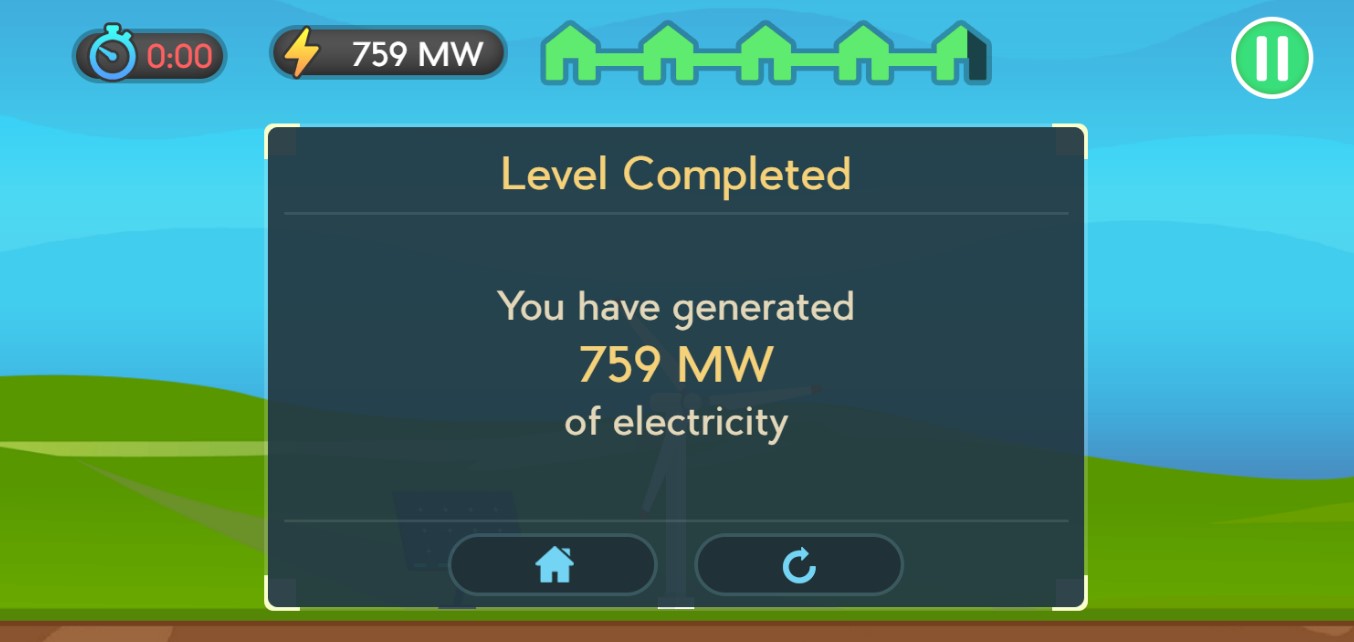
One game that stands out is the sustainable energy game called Wind And Solar. This game allows players to adjust the placements of windmills and solar panels to maximize energy production. Kids will learn how wind and solar power can generate electricity and help reduce greenhouse gas emissions.

As they play the game, they will need to pay attention to the wind lines on the screen and move the blades on the windmill up or down to catch the wind. If they are catching the wind, the windmill blades will spin, and if they are not, they will stop.

They also need to look at the clouds in the sky and their movement, moving the solar cells left or right as needed to maximize sun exposure while minimizing the time spent under clouds. The game has a timer and a total energy meter, showing how much energy they have created.

Sort The Trash

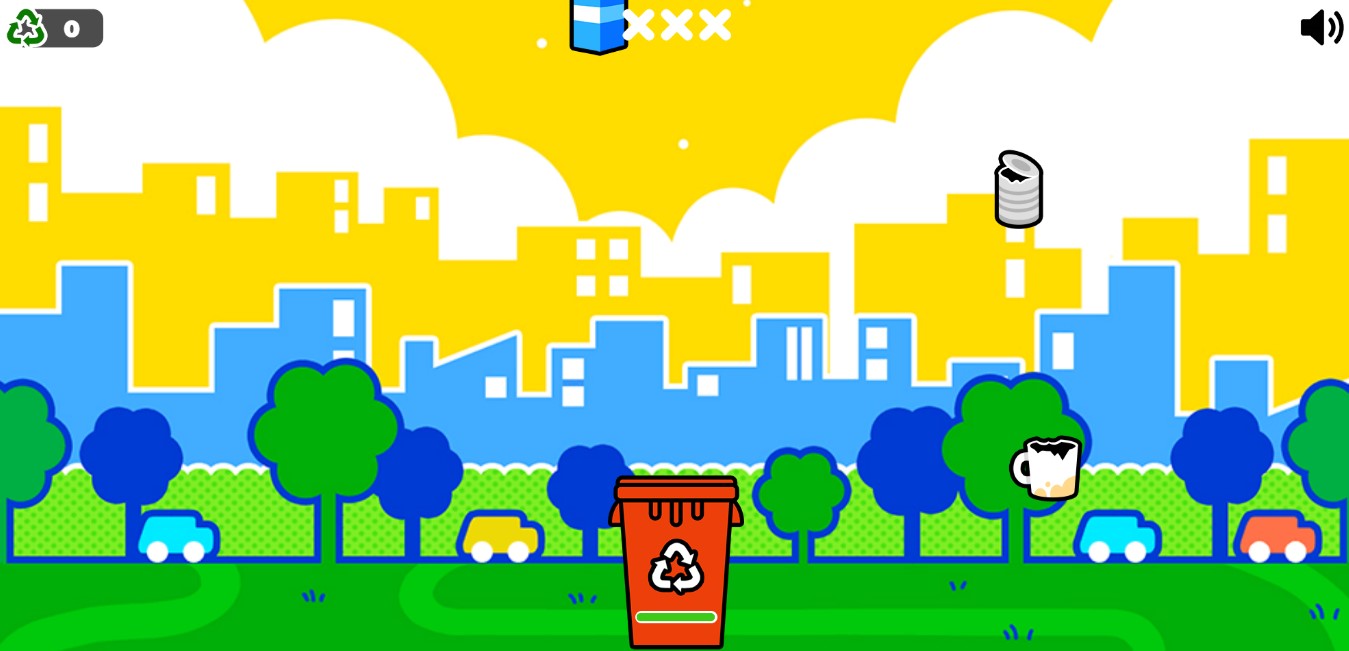
Another game that is worth playing is Sort The Trash, a recycling game where players move the recycling bin across the screen to collect recyclables while avoiding other garbage. This game will teach kids about the importance of recycling and proper waste disposal. They will need to drag the bin side to side to collect recyclables, including bottles, cartons, and cans.

On the other hand, they need to avoid collecting batteries, straws, plastic bags, and compost items like apples, eggs, bananas, or used paper coffee cups. Missing recyclables or collecting non-recyclable items will result in a strike, and when they get three strikes, the game is over. As they advance through the game, the items fall faster, making it more challenging.

I enjoyed playing these games while taking a rest from my daily chores. Since my kids are adults now, I will tell my younger nieces and nephews about these fun and educational games. These environmentally-friendly games for kids are perfect for parents who want their children to learn about sustainability and the environment in a fun and engaging way.

By introducing these fun educational games for kids, parents can help their children develop an interest in environmental issues at an early age. Playing these games can instill a sense of responsibility for the planet and encourage kids to think about their actions and their impact on the environment. These games can also promote critical thinking and problem-solving skills as children learn to adjust the placements of windmills and solar panels or sort out recyclables from other garbage.

In conclusion, Wind and Solar and Sort The Trash are two games that parents can use to teach their kids about the environment while having fun at the same time. These games are perfect for kids who love playing games and learning about sustainability and environmental issues. As parents, we can help our children develop an interest in the environment by introducing them to these fun and educational games.

Things You can Do at Home During the Lenten Season

The Lenten season is a time of reflection, self-discipline, and spiritual renewal for many Christians worldwide. While traveling to religious destinations during lent and participating in religious rites and traditions can be a meaningful way to observe the season, not everyone has the means or opportunity to do so. Fortunately, there are plenty of things to do at home to observe the Lenten season and deepen your faith. For those who are unable to attend religious rites and traditions outside their homes, observing the Lenten season at home is a great alternative.

Photo by Kelly Sikkema on Unsplash

Set up a prayer corner or altar. Dedicate a space in your home to pray, meditate, and reflect. You can set up an altar or table with religious icons, candles, and other items meaningful to you.

Read the Bible or other religious texts. Use this time to study the teachings of your faith and gain a deeper understanding of its history and traditions. You can pick a specific book or passage each day or follow a reading plan that covers the entire Bible or other religious texts throughout the Lenten season.

Attend virtual religious services. Many churches and religious organizations offer online or virtual services during the Lenten season, especially in light of the COVID-19 pandemic. Take advantage of these opportunities to participate in religious services and connect with other people in your community. 

Fast or give up something. Fasting is common practice during Lent and involves abstaining from food or activities for some time. If you have a medical condition that prevents you from fasting, you can choose to give up something else that is meaningful to you, such as social media, television, or other distractions.

Volunteer or donate to charity. Use this time to give back to your community and help those in need. You can volunteer at a local food bank, give to a charity that supports those in need, or find other ways to serve others.

Practice mindfulness and gratitude. Take time each day to reflect on your blessings and express gratitude for the good things in your life. You can also practice mindfulness meditation or other techniques that help you stay present and focused on the moment.

Connect with loved ones. Use this time to strengthen your relationships with family, friends, and loved ones. Reach out to someone you haven’t talked to in a while, schedule a virtual gathering or game night, or find other ways to connect and show your love and support.

In conclusion, the Lenten season is a time of spiritual reflection and renewal, and there are things you can do at home to observe the season and deepen your faith. Whether it’s setting up a prayer corner, reading religious texts, attending virtual services, fasting, volunteering, practicing mindfulness, or connecting with loved ones, there are many ways to make this season meaningful and impactful.